Address
304 North Cardinal
St. Dorchester Center, MA 02124
Work Hours
Monday to Friday: 7AM - 7PM
Weekend: 10AM - 5PM
Address
304 North Cardinal
St. Dorchester Center, MA 02124
Work Hours
Monday to Friday: 7AM - 7PM
Weekend: 10AM - 5PM


Discover the key Signs You’re In A Toxic Relationship and learn how to recognize harmful patterns to protect your well-being and happiness.
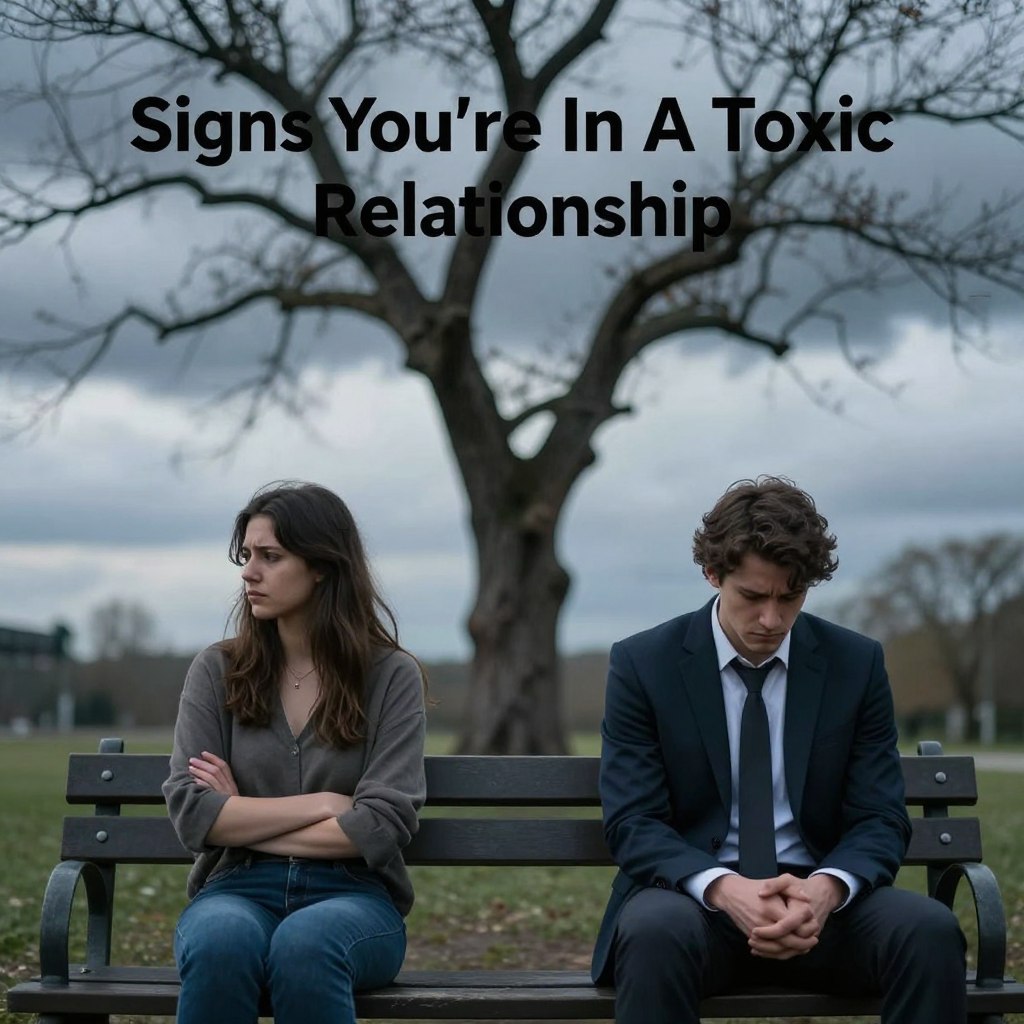
It’s important to know if you’re in a toxic relationship for your emotional health. Many people are in harmful partnerships without realizing it. In fact, 1 in 3 women and 1 in 4 men have faced physical violence from someone they love.
This data shows how critical it is to understand unhealthy relationships. This article aims to help you spot the signs of a toxic relationship. By recognizing these signs, you can start to take care of yourself.
We offer a supportive guide to help you through these tough times. You’ll learn to navigate these situations with confidence and care.
It’s key to know if you’re in a toxic relationship for your emotional health. These relationships can make you feel drained and harm your mind. Spotting the warning signs early can help you act fast.
Understanding what makes a relationship toxic is important. It’s about recognizing unhealthy behaviors that lack respect, trust, and open talk. The American Psychological Association says healthy relationships have these basics. Without them, it might be a toxic situation.
There are many signs of toxic relationships. Here are some common ones:
Spotting toxic relationships early can save you from emotional harm. Here’s why it’s key:
Reflecting on your relationship can lead to better dynamics. Knowing the signs of toxicity can guide you to a more fulfilling partnership.
Unhealthy relationship behaviors can sneak into your life quietly. They often start as small patterns that chip away at your confidence. It’s key to spot these signs to keep your emotional health safe.
Some common unhealthy relationship behaviors include:
Understanding these behaviors is a step towards meeting your emotional needs. It’s vital to have a relationship that lifts you up, not pulls you down. Here are a few signs to watch for:
By spotting these unhealthy behaviors, you can take steps to protect your mental health. A healthy partnership should help you grow and thrive.
“Recognizing unhealthy behaviors is the first step towards healing.”
| Behavior | Impact | Example |
|---|---|---|
| Constant Criticism | Erodes self-esteem | Belittling your achievements |
| Lack of Support | Creates feelings of isolation | Not celebrating your successes |
| Poor Communication | Leads to misunderstandings | Ignoring each other’s feelings |
Emotional abuse can be hard to spot. It often looks like concern or humor. Knowing the signs is key to your mental health. It helps you set boundaries and protect yourself.
Verbal manipulation is a common tactic in emotional abuse. It can take many forms, such as:
These signs can make you feel confused and insecure. It’s important to spot them early.
Constant criticism can lower your self-esteem. This abuse can show up as:
Being on the receiving end can cause long-term psychological harm. The American Psychological Association says emotional abuse can be as damaging as physical abuse.
Knowing these signs can help you take action. Protecting your mental health is essential for a healthy relationship.
It’s key to know the signs of a toxic partner. Spotting these traits can help you see patterns you might miss. By recognizing these signs, you can make better choices for your relationship.
Some common toxic partner characteristics include:
Knowing these traits can help you understand why your partner acts certain ways. This knowledge is a step towards improving your life.
| Toxic Partner Trait | Description |
|---|---|
| Extreme Jealousy | Excessive suspicion and control over your social interactions. |
| Lack of Accountability | Refusal to accept responsibility for their actions. |
| Manipulation | Using emotional tactics to control your behavior. |
| Constant Criticism | Regularly belittling or demeaning you. |
| Isolation | Limiting your contact with friends and family. |

It’s important to know if your partner is controlling. They might use sneaky ways to limit your freedom. Knowing these signs can help you take back control and stay safe.
One way a controlling partner acts is by watching your messages and calls. They might:
These actions show they want to control your privacy. They want you to feel like you need them.
Another sign is when they try to keep you away from loved ones. They might:
This makes it hard for you to get support. Spotting these signs early is key to keeping your freedom.
Knowing these signs gives you power. If you see them, it’s time to get help. Your freedom and happiness are important.
Toxic relationship patterns can be hard to break free from. It’s important to understand these cycles to escape unhealthy dynamics. These cycles usually have three phases: tension, explosion, and reconciliation.
In the tension phase, small conflicts start. This makes you feel anxious and uneasy. Then, the explosion phase hits with arguments or emotional outbursts. After that, the reconciliation phase offers temporary peace with apologies and promises to change.
This cycle can trap you in a toxic environment. It’s key to recognize these patterns.
Here are signs you might be in a toxic relationship:
Understanding these patterns empowers you to make better choices. Seeing the bigger picture helps you move towards a healthier life.
| Phase | Description | Emotional Impact |
|---|---|---|
| Tension | Small conflicts and misunderstandings | Anxiety, unease |
| Explosion | Arguments or emotional outbursts | Fear, anger |
| Reconciliation | Apologies and temporary peace | Hope, confusion |
Your mental health is very important. A toxic relationship can harm your emotional and physical health. It’s key to spot relationship mental health warning signs to stay healthy.
Persistent anxiety, chronic stress, and a drop in self-esteem are signs of deeper issues. These can point to problems in your partnership.
Feeling anxious or stressed often is a big warning sign. These feelings can come from many things in the relationship. Some common causes include:
The Mayo Clinic says chronic stress from toxic places can harm your heart and weaken your immune system. Spotting these signs is vital for your health.
A big drop in self-esteem can happen in unhealthy relationships. This might show as:
These feelings can pull you down and hurt your mental health. Knowing these signs is the first step to getting better.
| Warning Signs | Potential Impact |
|---|---|
| Persistent Anxiety | Increased stress levels |
| Chronic Stress | Risk of heart disease |
| Loss of Self Esteem | Depression and isolation |
Codependency can make one partner’s needs more important than the other’s. It’s key to know the signs of codependency if you feel lost in your relationship. This can lead to unhealthy patterns that are hard to break.
Common signs of codependency include:
Understanding these signs is vital for personal growth. When you spot these patterns, you can start to find yourself again. This journey to a healthier self means learning to put your own needs first.
| Codependent Behavior | Impact on Relationship |
|---|---|
| Excessive Approval Seeking | Leads to loss of self-identity |
| Difficulty Setting Boundaries | Creates resentment and frustration |
| Neglecting Personal Needs | Results in emotional burnout |
| Feeling Responsible for Partner’s Emotions | Causes anxiety and stress |

By spotting these codependent signs, you can start making changes. Focus on your own needs and aim for a balanced partnership. Getting support from friends or professionals can also aid in this journey.
Deciding to leave a toxic relationship is tough. It’s important to plan carefully for your safety and well-being. Here are some key steps to consider.
A safety plan is key when leaving a toxic relationship. It helps you make the transition safely. The National Coalition Against Domestic Violence has resources to help you create a good plan. Here are some important things to include:
Getting professional help is important. Therapists and counselors can guide you and help you cope. Look into:
Remember, leaving a toxic relationship is a personal journey. You don’t have to go through it alone. Asking for help is a big step towards a better life.
Knowing the signs of a toxic relationship is key to finding happiness again. We’ve looked at how to spot red flags and their impact on mental health. It’s vital to see how these behaviors harm your well-being.
Putting your safety and mental health first is a must. By following the steps we’ve shared, you show yourself value. You can find connections that are positive, supportive, and loving.
Take control of your situation. Healing starts with recognizing harm and aiming for a better future. You deserve relationships that make you feel good and inspired.